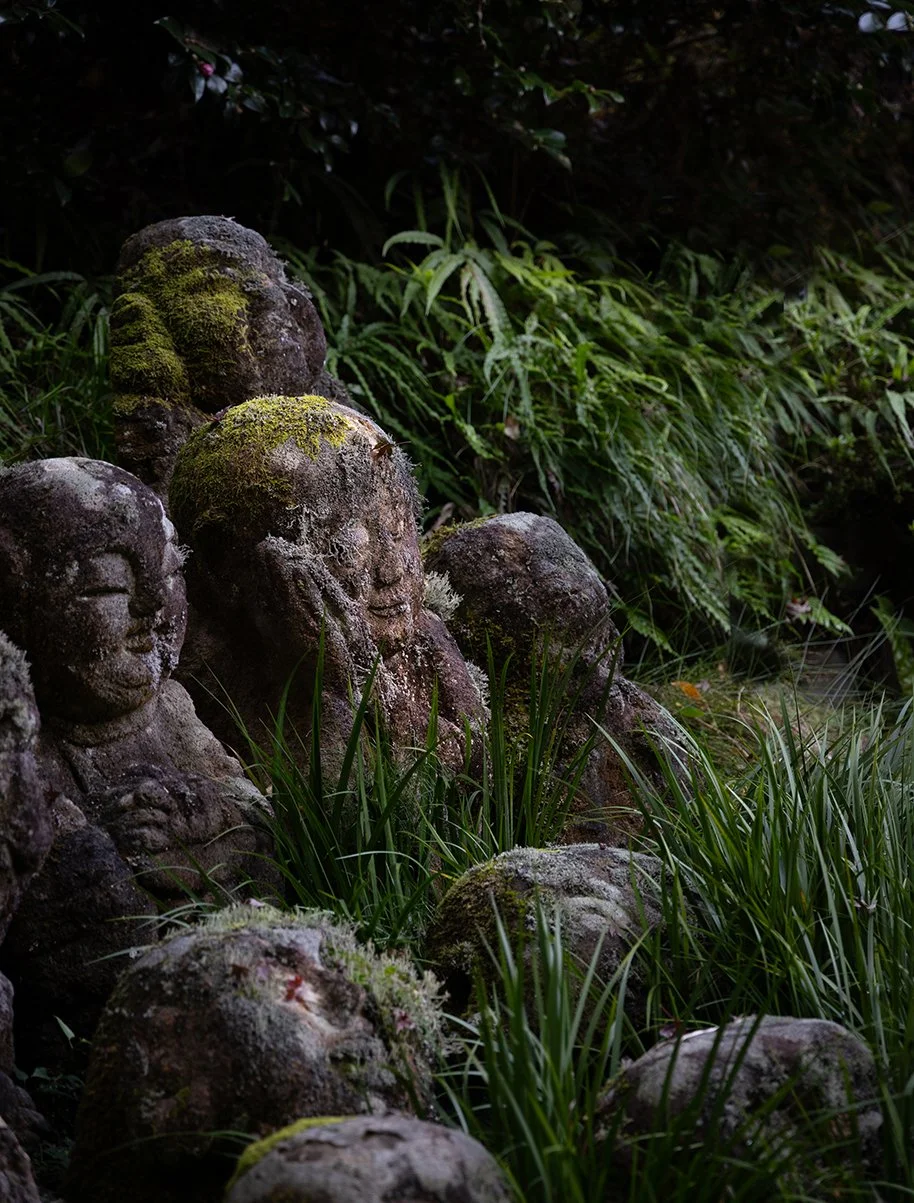
Dirtbag Diaries: The Otagi Nenbutsuji Temple, Japan
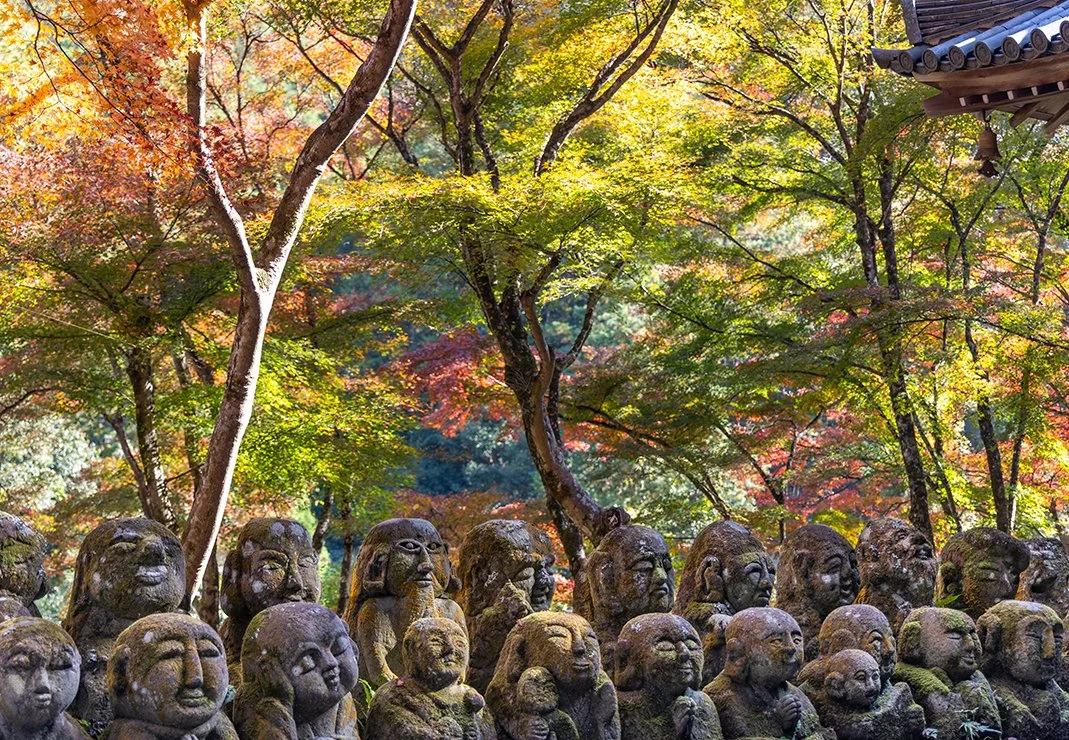
Long has Japan been on my list of places to experience, but other, more affordable, dirtbaggy parts of Asia had always won out. This year, I finally made the trip to Tokyo, Kyoto, Hiroshima, and Fukuoka with a group of friends and had a truly incredible time in this country that blends old cultural heritage with modernity.
It is very easy to get ‘templed-out’ when you’re somewhere like Kyoto that seems to have one on every block, so we didn’t bother trying to fight crowds at the most popular ones. Instead, we picked The Otagi Nenbutsuji Temple, tucked away on the western edge of the greater Kyoto area. This temple is famous for 1,200 arhat stone statues. An arhat (or rakan in Japanese) is a disciple of Buddha who has gained enlightenment and reached nirvana, breaking free of the cycle of rebirth.
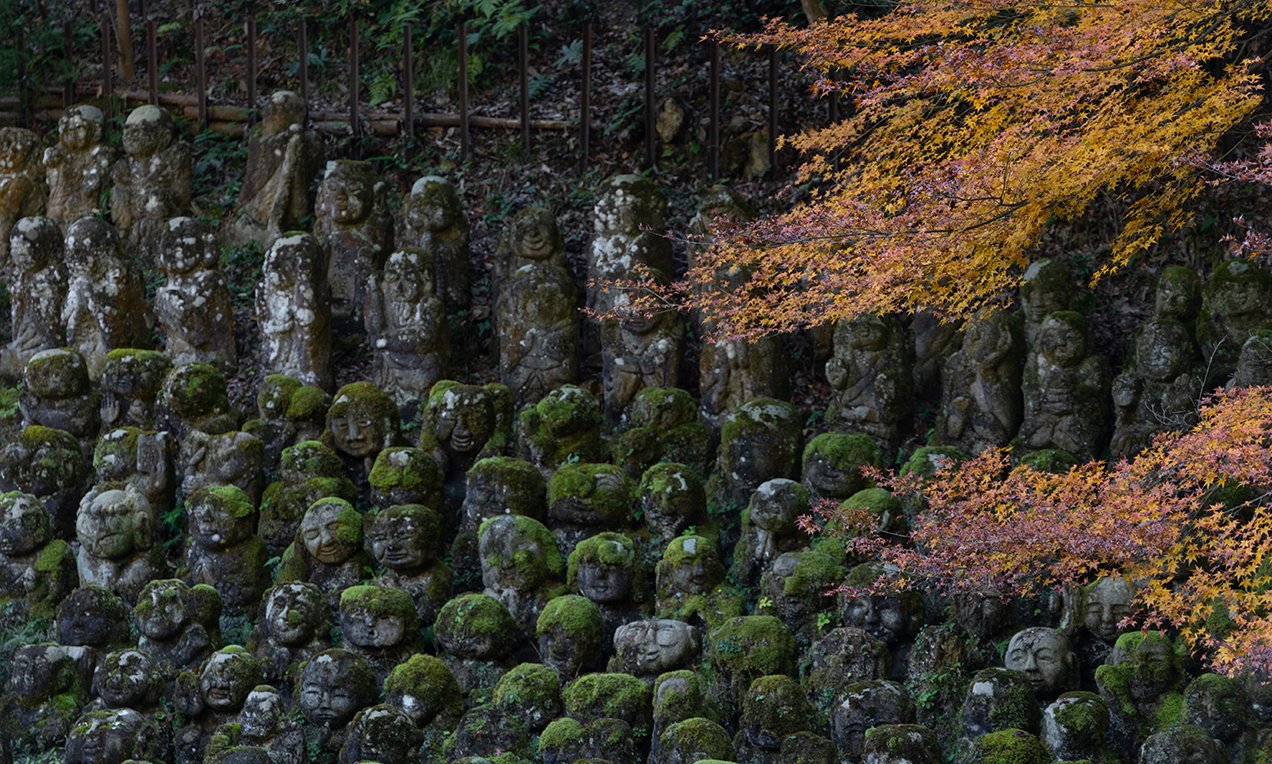
The thing I love about the arhats at the Otagi Nenbutsuji Temple is that they are not all portrayed as the ascetic stoic one might associate with transcendence. Rather, they are playful, silly, thoughtful, fierce, and have material possessions that reflect their personalities. I fell in love with the beauty of this temple and the remarkable stone characters that filled its grounds. The best way to share the magic here is through a photo essay, to let the stones speak for themselves.
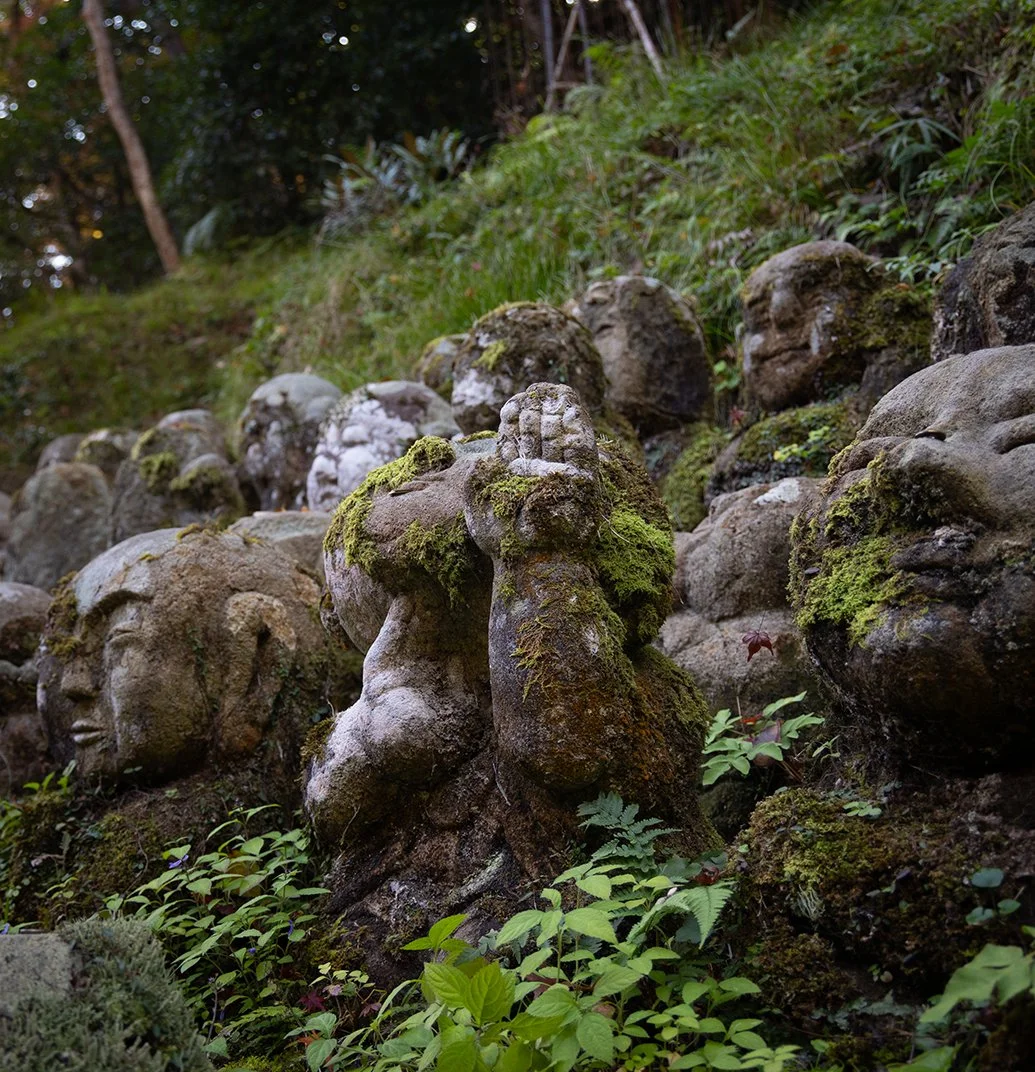
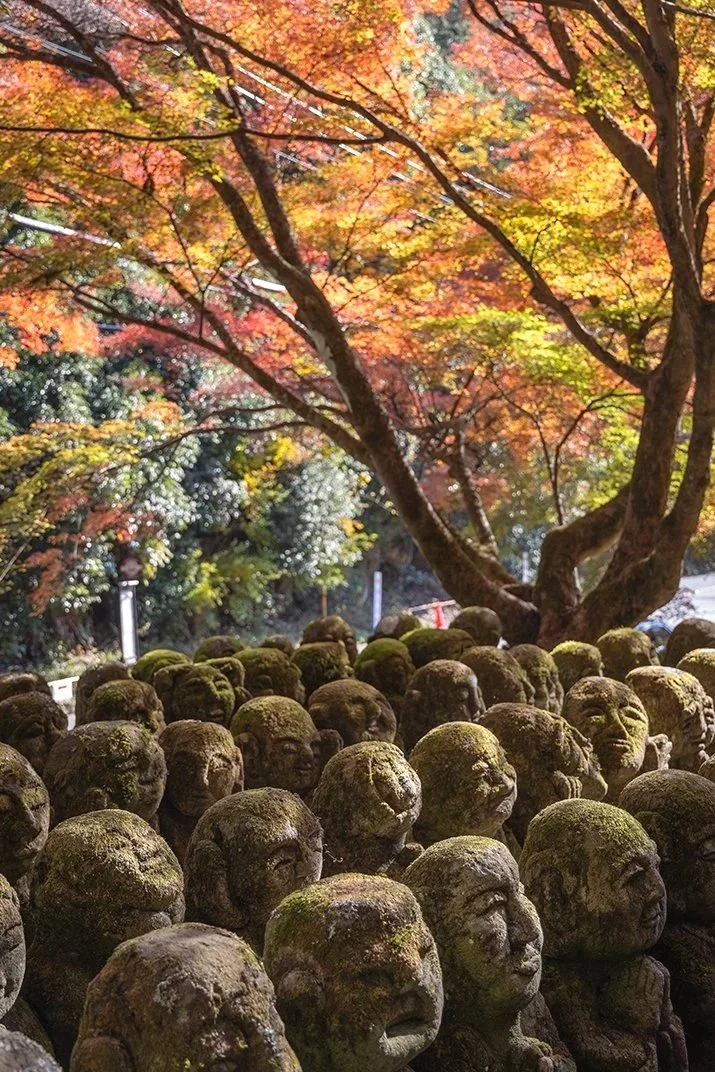
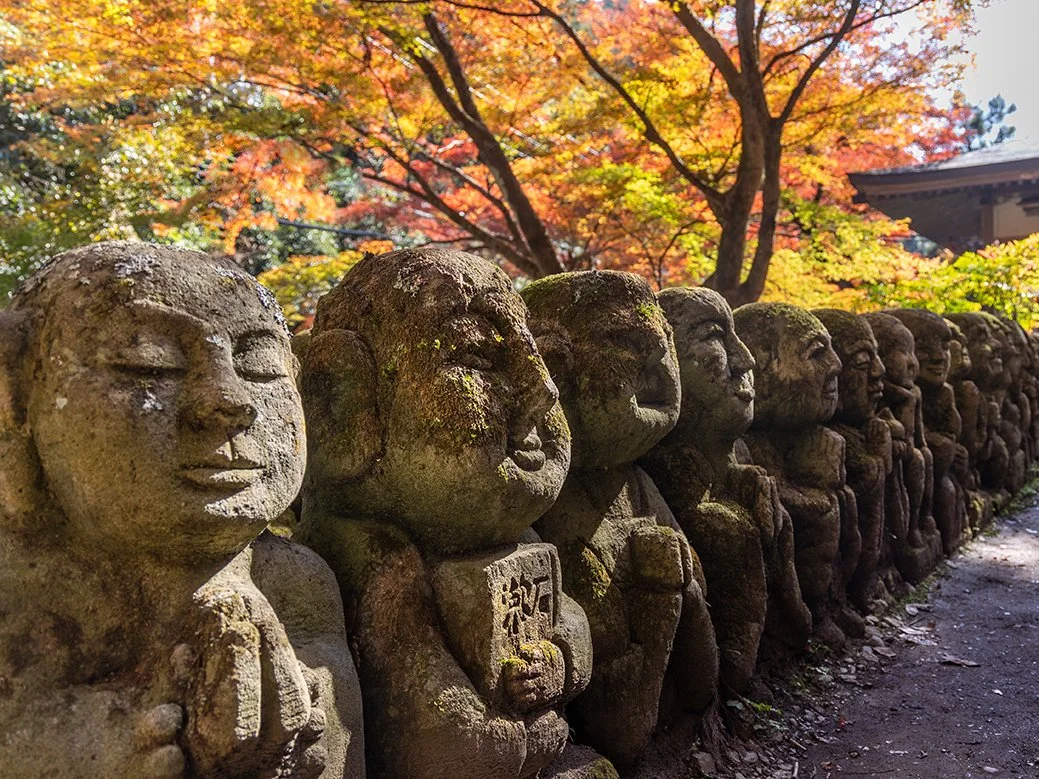
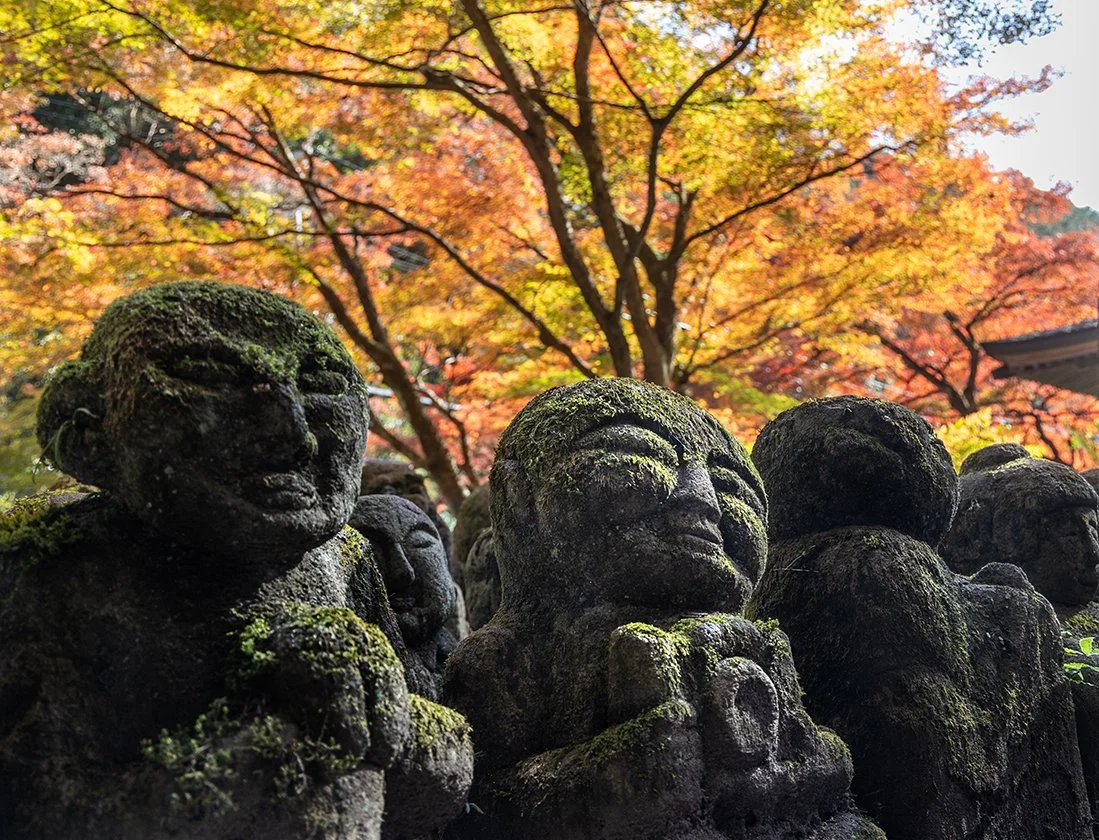
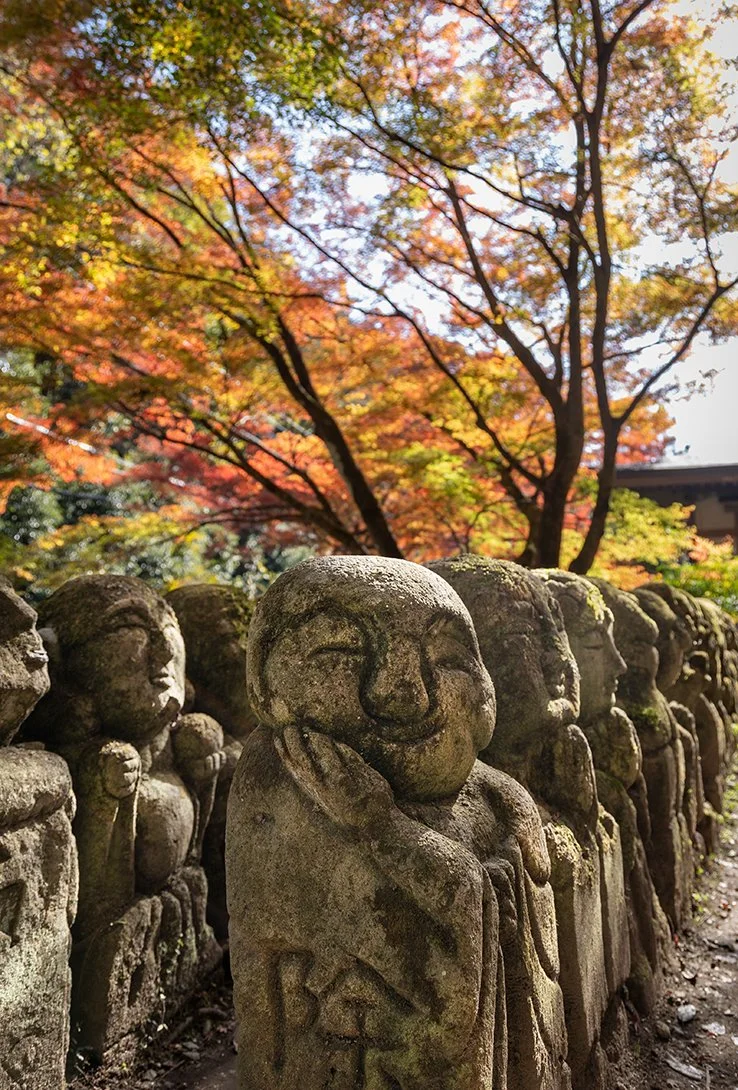
The Otagi Nenbutsuji Temple was originally founded in 766, but underwent centuries of disasters and damage. After a typhoon in 1950, the temple fell into disrepair, but eventually was put under the care of a monk and sculptor named Kōchō Nishimura. In 1981, Nishimura invited amateur artists from all over Japan to come learn stone carving at the temple, where they collaboratively sculpted the statues.
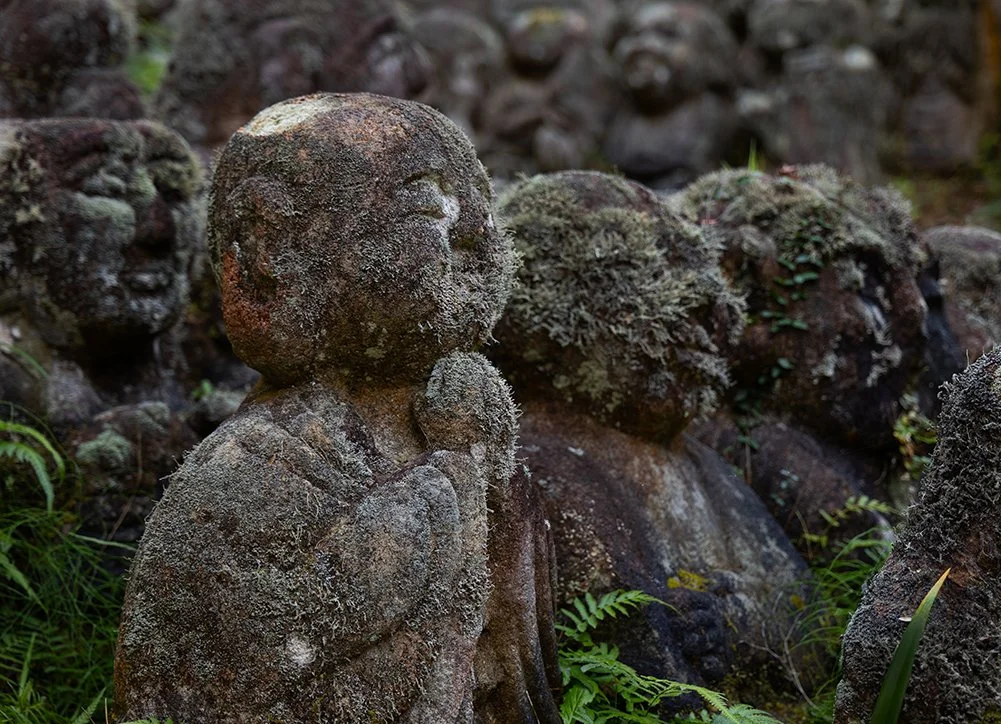
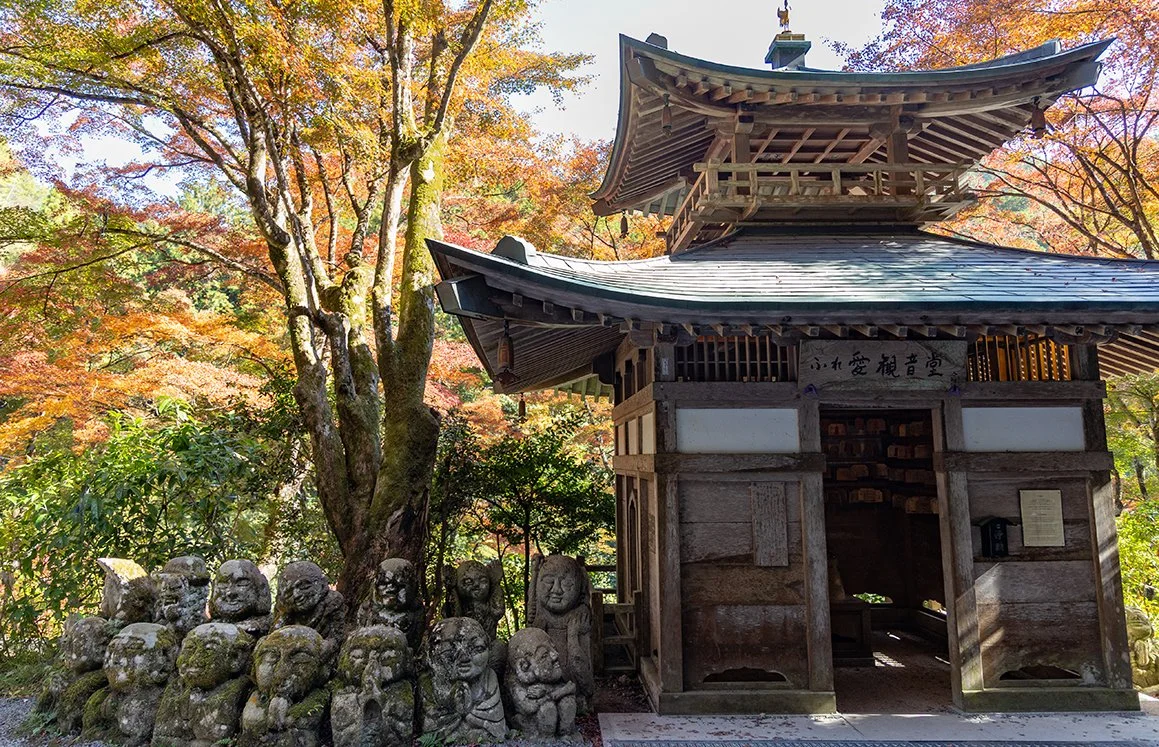
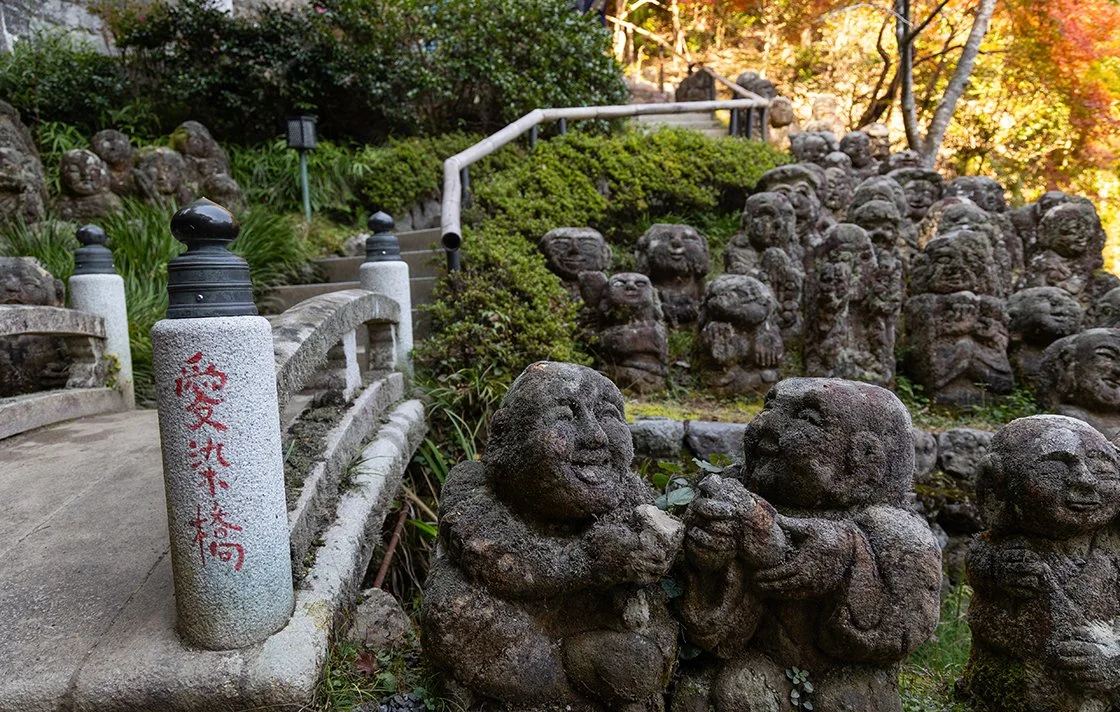
As people carved the statues, they poured their own lives into them. The statues stood as their legacies, represented loved ones, and served as memorials.
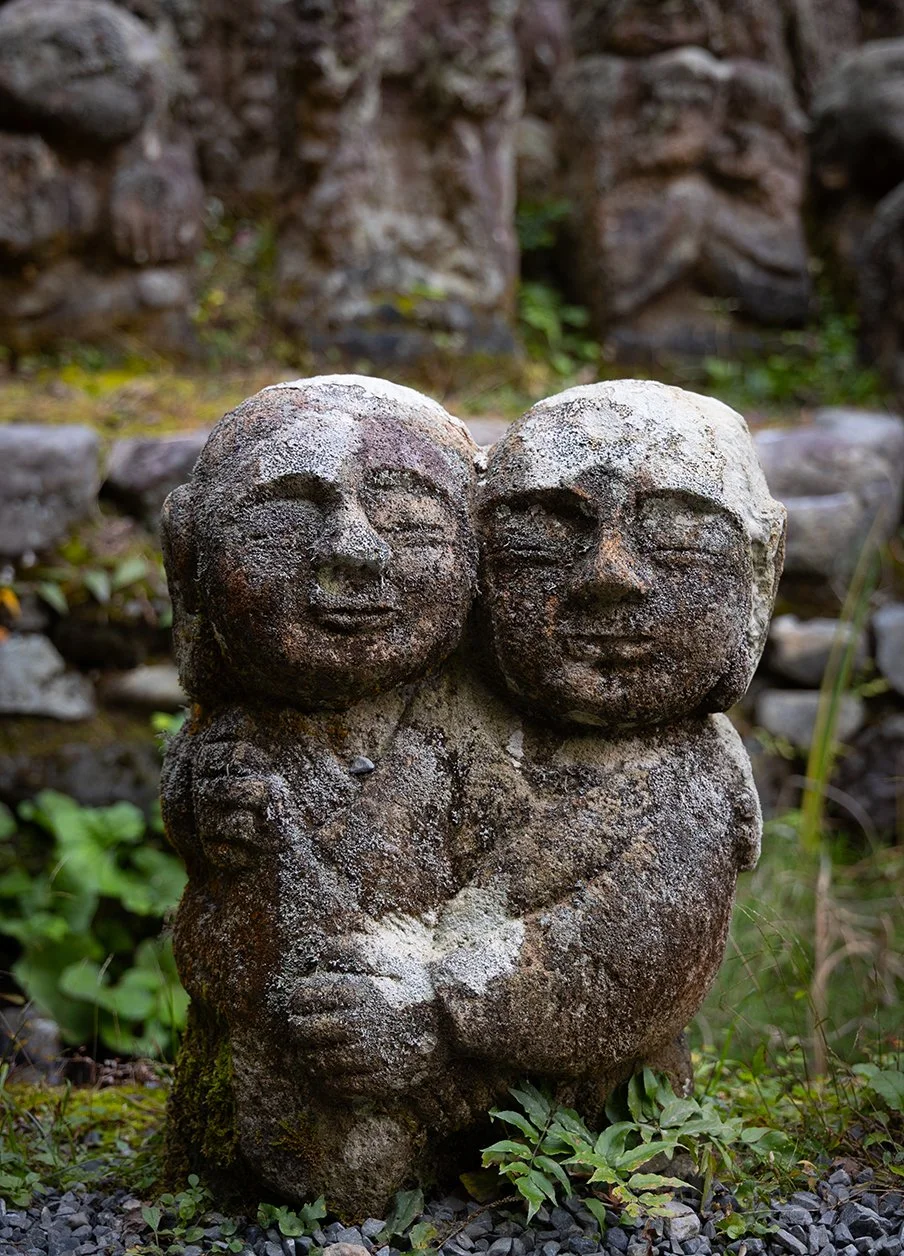
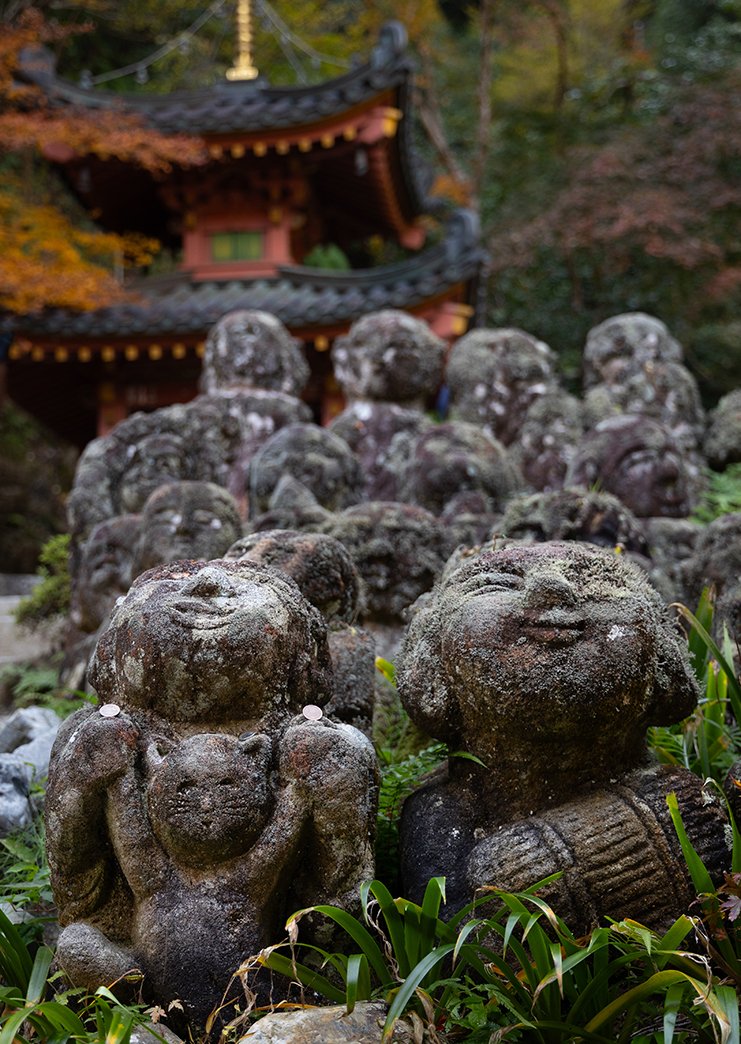
After 10 years of restorative work, the temple consecrated the statues in a ceremony with all the artists, and life energy was officially breathed into them.
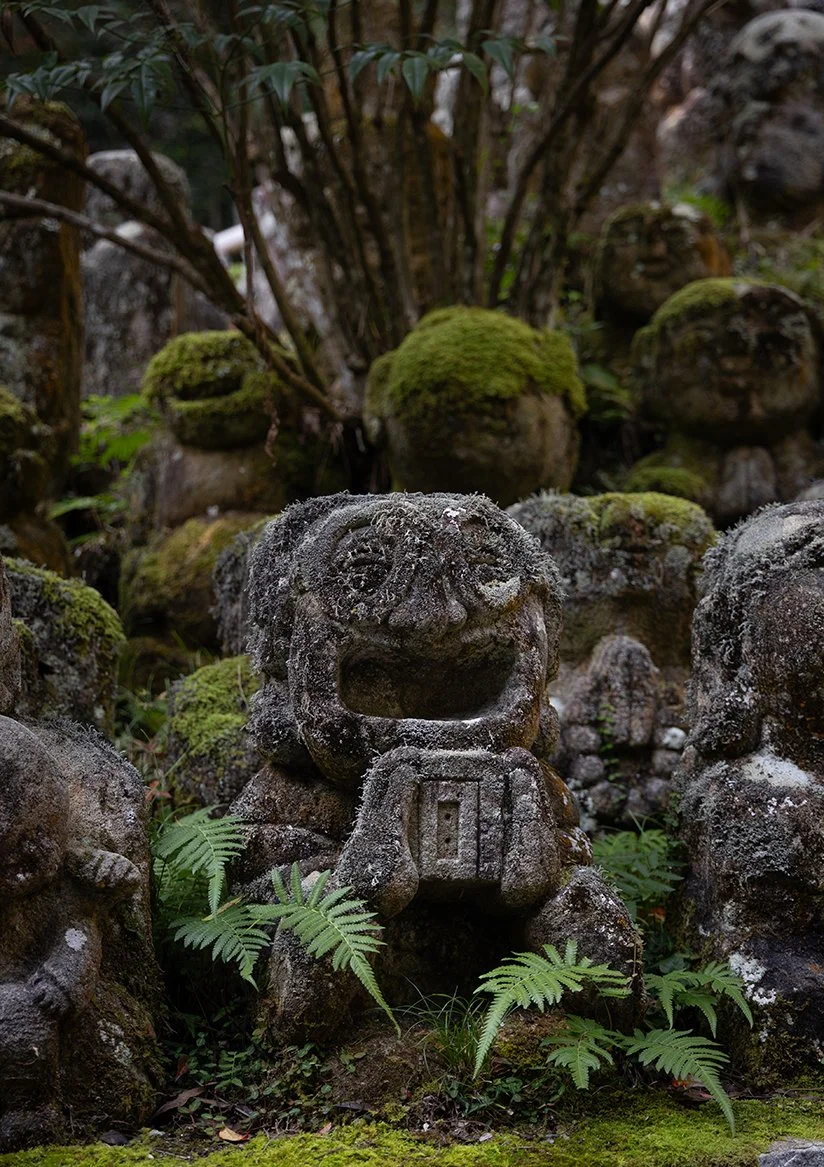
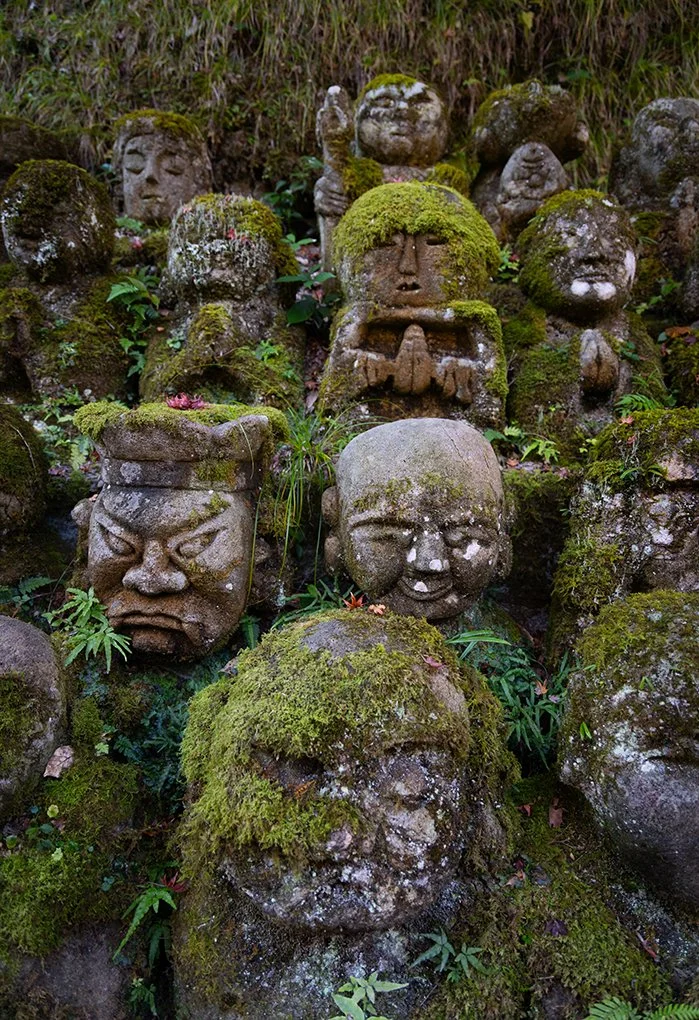
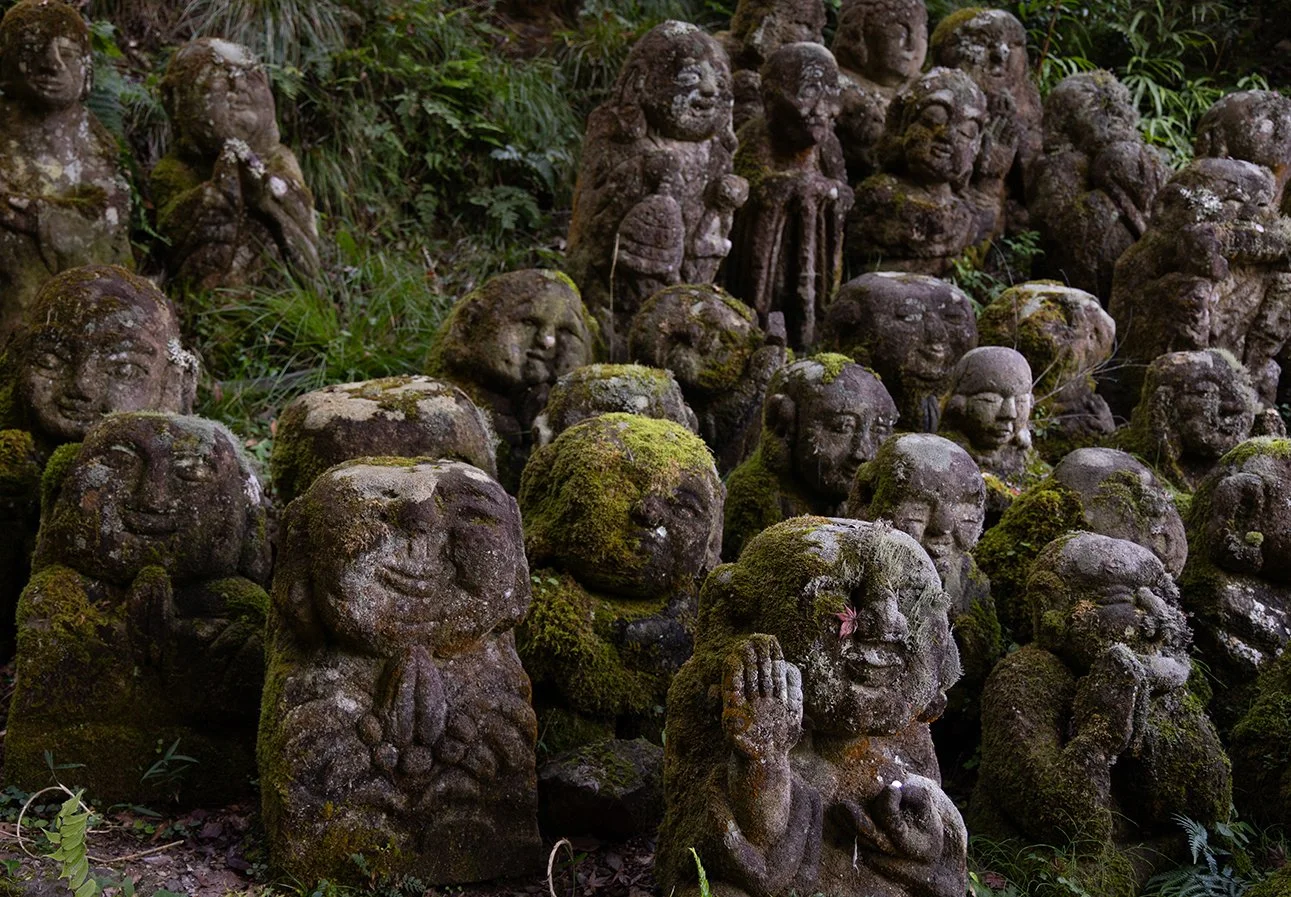
Otagi Nenbutsuji offers no unified vision of enlightenment. Its spirit reminds us that the journey to peace and purpose is unique to all those who seek it.