How to Travel Long-Term on a Budget

From the ages of 19ish-25ish, I lived below the poverty line, but traveled internationally extensively. I traveled extensively after 25 as well, but by then I had crawled my way into my highest paid job ever- $40k a year. I’ve always been a time > money sort of gal and my ‘career’ reflected that. Yet, during this time of money scarcity, I was taking month+ long trips to Southeast Asia, New Zealand, and more. One of my longest stints was a 7 month circumnavigation of the world where I visited 14 countries and spent $6,000 total…including flights.
Some people have a hard time believing this number, and to be fair, that particular adventure was 2017, so from a 2025 perspective, you have to factor in inflation and lower costs of a pre-Covid world. But still, I’m a true believer that you CAN exist with a high quality of life in fabulous places for much less than most Americans squeak by with each month.
So…HOW? The simple answer is that this kind of travel is not a vacation, but a way of life. You’ll need to reset your expectations for how you spend your time and money while you’re in another country. Here is a basic list of guiding principles, but keep in mind that these may not be doable or appealing to all, and this is mostly geared towards an American audience.
1. Don’t Pay for Life Twice
The cheapest way to travel is to have your ONLY expenses be the travel you are currently doing. Paying for your travel while also paying a mortgage or rent and utilities back home is the surest way to inflate your cost of living. If you’re between jobs, moving, subletting, or in any other form of liminal existence, this is the best time to get out there. This is how I’ve traveled most cheaply in my life, storing my meager possessions back home in a friend’s closet, or while RVing full-time, paying for super cheap RV storage near an airport.
2. Pick the Right Destination
Simple- some countries are expensive, some are cheap. Backpacker haunts such as Southeast Asia continue to be wildly affordable, with rooms costing as little as $15 a night and street food meals only taking you back a couple of bucks. India was the least expensive place I’ve been, costing only $30/day, everything included. Eastern Europe is also still a bargain, but as you venture Northwest in the continent, you’ll experience greater and greater sticker shock. As a general rule, the “Global South’ is often more affordable.
When I backpacked in my 20s, there were some no-go destinations, such as those in Scandinavia, which I simply could not afford to visit. However, these days, the US is so expensive that the cost of living has surpassed most other countries in the world and almost anywhere else will feel like something of a bargain (me in Switzerland recently, shocked at the affordability of their groceries).
3. Don’t Pay for Flights
Credit card hacking is the key to the travel kingdom. A lot of people have already written on this topic, so I’ll let them explain in detail. The gist is that you open a credit card with a large bonus (say 60,000 points or miles, equal to $600), meet the spending requirement to achieve that bonus, use those points of miles to book a flight, then, before the annual fee comes back around next year, cancel the card. Rinse and repeat.
The golden age of credit card hacking is behind us, I believe. Gone are the days where you could open and close the same card again and again. Cards have imposed limits on how often you can get their bonuses, how long you have to wait before getting the card again, sometimes even limiting you to one bonus EVER (booo American Express). However, there are still many, many options and if you are a fiscally responsible person (by ALWAYS paying your bill in full), you can travel to faraway places for only the price of airline taxes. That’s how I flew to Vietnam, Iceland, and New Zealand for $11.20 each.
4. You Don’t Need That For Your Trip
I’m amazed again and again at what consumer cultures will pop up for every niche, hobby, and interest. Travel is a big corner of that market and a million different travel specific items will be advertised to you for your trip. Here’s what you don’t need for your trip:
new cute clothes
new technical outdoors clothes
new bags or luggage
special hygiene products
packing products
special gadgets, accessories, passport holders, etc
‘travel’ anything

Probably don’t need to pack a world map
Now, I’m not trying to poop on your parade, you can get whatever you want for your trip. As a certified bag whore, I feel your pain. But if you’re trying to save money, you don’t NEED anything special, despite whatever influencer’s insistence. Whereever you’re going, people survive there in jeans! You don’t want to look like you’re ready to summit Mount Kilimanjaro while getting espresso next to a little abuelita in Madrid.
Once you have a backpack (the only travel essential, imo), if you are going to any sort of large city, they will have everything you need there. OG travel blogger Rolf Potts visited 12 countries over six weeks without a single piece of luggage, and once you get comfortable washing your underwear in sinks, you can too.
My last ‘unrecommendation’ is that you also don’t need travel insurance. You may find no other travel blogger offers this advice. In fact, travel insurance often tops the lists of what you do need for any trip. The dirty secret of why that is is because travel insurance companies offer affiliate marketing. It’s an easy thing to add to your website and insist on the importance of (you can’t buy me, World Nomads!).
Insurance is a very personal choice that falls into fundamental beliefs about risks and safety and what you’re willing to sacrifice for peace of mind. Personally, I’ve never used travel insurance for any of my time abroad. American health care is so inflated and broken that you can easily get the same or better care in a different country for a much lower cost, out of pocket (coincidentally, this is how I handle most of my regular medical expenses too). Travel insurance can also cover lost or stolen belongings, but I just don’t bring anything that valuable with me, or accept that I can afford to replace something on my own, with all the money I’ve saved for not buying travel insurance.
5. Find Cheap Digs

After flights, the next biggest travel expense is accommodations. Hotels are the fastest way to burn through a budget, so the real savings come from choosing simpler places and staying longer. Hostels, guesthouses, and basic rentals often cost a fraction of hotel prices. In hostels, dorms aren’t the only option: many have private rooms that are still cheaper than hotels and come with kitchens, laundry, and built-in social space.
Of course, the cheapest digs are those that are free, through Trusted Housesitting, WWoofing, and a plethora of other work exchange sites. In recent years, however, there’s been talk that to be totally above board, you need to get a work visa to be able to take on these gigs while you travel. My advice is to not disclose that you’ll be utilizing any of these services or doing any work exchange to customs when you enter the country.
6. Be Flexible
If you have wiggle room in your dates, your desires, and your mindset, you’ll have space to adjust plans if a cheaper option arises. If you’re willing to forgo your ideal timing, traveling in the off-season will help you find better rates and availability for accommodations and overall lower costs. The time that works best for you also tends to work best for everyone else too. If you’re lucky, you might go somewhere in the off-season, get unseasonably nice weather, and have a normally crowded destination all to yourself. That’s how we hung out in a sunny, empty Santorini in March.
7. Slow Travel
Flying, driving, or expensive train tickets will take a toll on your wallet and your energy. The cheapest way to get to know a place is to settle in for a week or more and meander around the local area. This lets you take advantage of weekly or monthly rates for accommodation to save money and also avoid burnout.
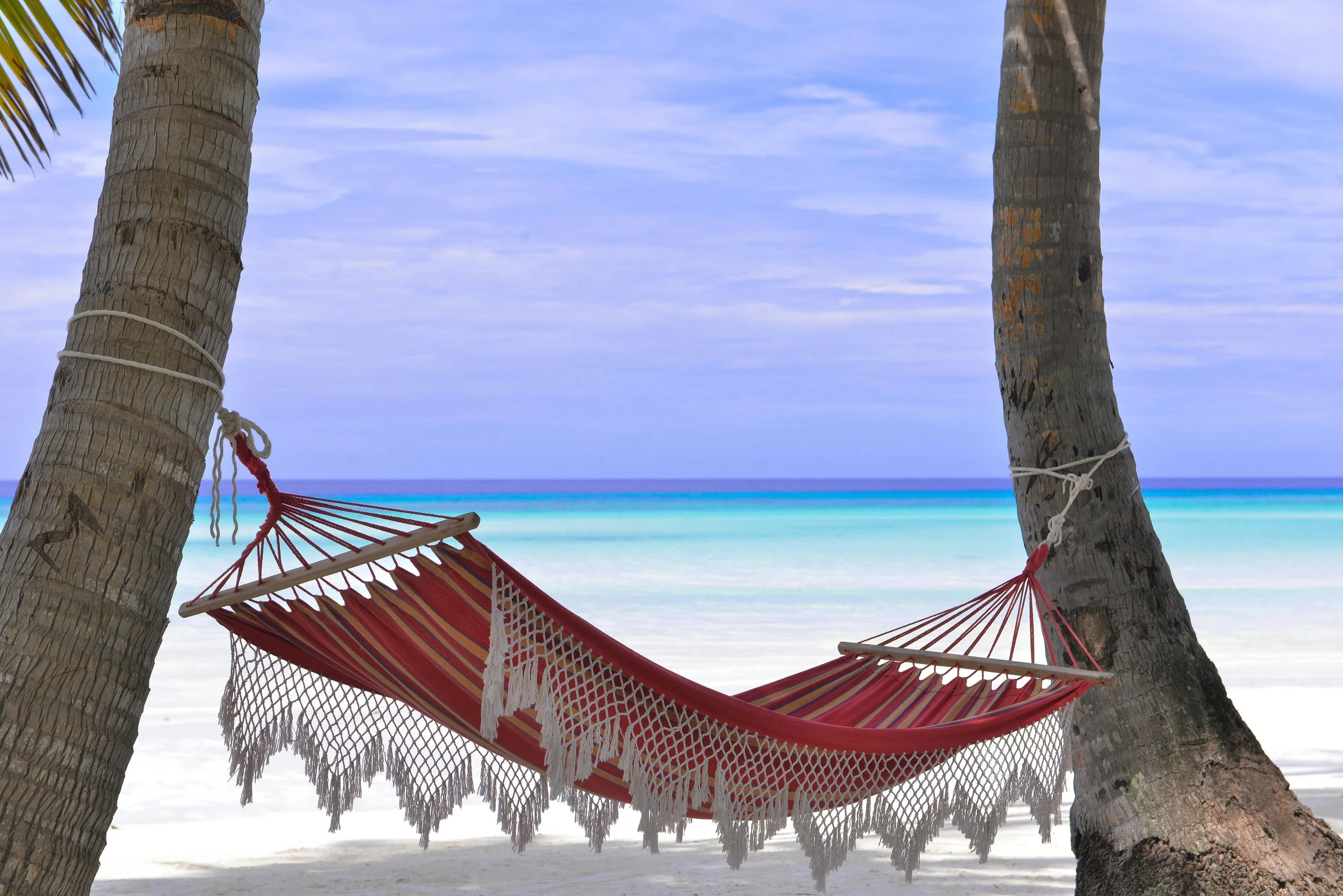
Believe it or not, you can only eat out, be wowed by amazing sights, and look forward to another travel day for so long. Like anything else, travel becomes a routine and routines get old if they take a lot of energy and money to maintain. Slowing down is the #1 way to keep travel sustainable and shift it from a ‘trip’ to a ‘lifestyle.’
Obviously, this isn’t possible if you have a job that only allows you two weeks of PTO, which is why long term travel works best for those who have remote or seasonal jobs (or those willing to quit jobs again and again, like me- sorrynotsorry to everyone who’s ever employed me).
8. Don’t Drink Cocktails
This is a good one for saving money in general, but while traveling mixed drinks are an especially expensive add-on, day in and day out. Alcohol as a whole is a great thing to cut, but I’ve found that in most of those lower cost destinations, a local beer may only be a couple dollars at most, which makes drinking pretty affordable if you’re bent on it. In fact, I didn’t really drink beer at all until I got to Vietnam and the local rice beer was $0.75 a glass. It would have been irresponsible NOT to drink it! But cocktails, even when they’re cheaper than at home, still add up fast, often doubling a restaurant bill. They’re also a frequent upcharge, and a place where pricing isn’t always as transparent as you might expect.
9. Limit the Paid Entertainment and Tours
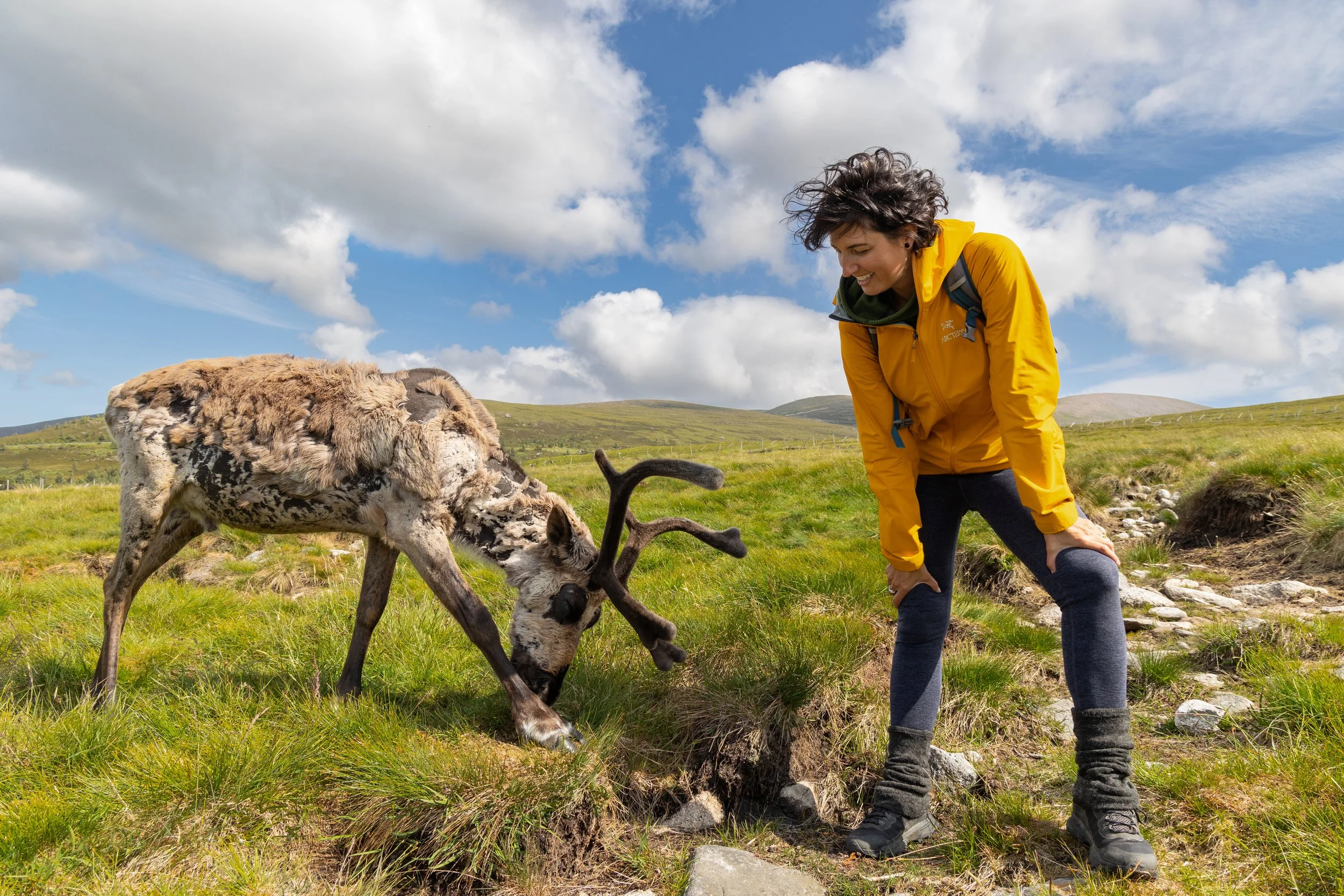
If you can afford to, it’s definitely worth paying for something unique that only that destination has to offer. Whether that’s a cultural performance, ethical wildlife encounter, extreme sport, or being guided off the beaten path, these can be the most memorable parts of a trip. Even at my most frugal, I still floated in glowworm caves, went scuba diving, volunteered with elephants, and saw local shows.
However, these types of excursions add up quickly, so if you can choose the most meaningful, you might be able to find alternative entertainment otherwise. Free walking tours or making local friends can replace a hired guide, while street performers might substitute for a sit-down show. Timing your trip to coincide with big festivals can provide all the free excitement you may want for a while. The only thing I would not cheap out on though is making sure your animal interactions are ethical- never interact with street peddlers pushing wildlife onto tourists and always research and spend extra money to make sure an animal sanctuary you want to go to is legit.
10. Take Public Transportation
Outside of the U.S, public transit systems are a beautiful thing. They will get you just about anywhere you want to go, often in unexpected comfort. Or, if you’ve found yourself on a particularly janky bus ride (say, one where you’re surrounded by chickens and a TV is blaring karaoke for 4 hours), you’ll get a fun story to boot.
Living such a car-centric life in America, I always relish being able to put driving in the back seat and not worry about road rules, buying gas, or navigating. For extra affordability, buses and trains can often replace short flights, making your travel wildly more environmentally-friendly as well.
11. Don’t Eat at Restaurants
This may be my most controversial bit of advice yet, but if you really want to keep costs low, ditch the sit-down meals. You might be in a civilized place where you don’t have to tip, but the restaurant mark-up will always get you.
In my most frugal travels, I’ve made a grocery store one of my first stops, and carried easy-to-prep food with me. In New Zealand, after my free flight, I could barely afford to be there otherwise, and mostly subsisted off instant ramen, eating at a restaurant only once during the month-long trip. In Iceland, in addition to our groceries, my husband and I almost exclusively ate gas station hot dogs (it’s a thing there, I swear, and they’re good).
You don’t have to be a sad little ramen girl like me though. Besides actual restaurants, so many delicious options abound- bakeries (good for breakfast and lunch), delightful snackie shops like 7/11 in Asia, take-away shops, and of course street food, the best food of all anyway.
Again, this advice is destination-specific, as restaurant meals in really cheap destinations may cost the same as a decent bakery somewhere else. But often, the cheapest destinations have the best street food as well, so why bother?

Why bother, indeed, you may be thinking. Why would I travel halfway around the world to carry a bag of groceries with me and squeeze myself onto a city bus? That’s totally fair. The whole point for you may include all-inclusive resorts, guided excursions, fine dining, rental cars, ritzy hotels, and lots of flights. There’s nothing wrong with this sort of travel (okay, maybe the resorts), but people don’t ask me how to have a nice vacation. People ask me how I can be in other countries for months at a time, while not making very much money.
What’s Left?
If you dissolve all the preconceptions of what travel is supposed to be according to social media, you will discover what the world really has to offer. Even applying all the restrictions of this list, there are SO many incredible things to do and see and you’ll be more likely to meet local people. It’s a way of living that is closer to how people at your destination live and that experience is invaluable for learning your own priorities and values.
Removing the comfort of throwing money at an experience allows you to have unexpected adventures and mishaps that make for good stories and life lessons. You’ll also find yourself having more meaningful and personal experiences. Sure, you can curate a vacation based on Instagram suggestions or go on a professionally-planned trip, but you’ll have consumed something crafted to someone else’s values and interests.
Remember, many of the best experiences are impossible to photograph and sell.
In the book Scarcity Brain, Michael Easter interviews survivalist and vagabond Laura Zerra about trips she took with the ultra-wealthy after she received some fame from being on TV:
I noticed the more people had, the less involved in the moment they seemed to be…..Everything would be prearranged and planned and scheduled. I describe it as a really expensive Happy Meal. It was a carbon copy of what every other rich person got.
And it was so different than the experiences I had when I had, like, six bucks and a backpack filled with a few items and I’d go out into the wilderness and have to figure things out myself. Those experiences were so unique, and I just didn’t get them when we had all this money to have everything perfect.
The Perfect Excuse
Money is always among the top excuses why people don’t go out to experience the world. It’s easy to fall back on and has the bonus of drumming up a bit of pity for yourself while disparaging the perceived privileges of others. But the only real excuse is fear. The fear of uncertainty, the fear of being uncomfortable, the fear of being vulnerable. Don’t pay the fear tax by keeping yourself in an expensive bubble when you venture out.
All you have to do is to go! Hell, if you think my advice here is too soft, you can also hitchhike, hop trains, work on a ship, dumpster-dive, and do a million other things vagabonds have been doing for centuries to afford their meager lifestyles.
It’s okay if you want to partake in the finer things abroad. As I’ve gotten older and been able to afford them myself, I’ve enjoyed some more expensive activities. Were they fun? Yes! Were they better than my dirtbag misadventures? Not really. My life was harder, but it was also full in ways that luxury never quite replicates.
Go! Go! Go!
The mistake is thinking there’s a perfect financial threshold you have to cross before you’re allowed to start traveling, but that number will keep moving. There’s always another expense, another justification, and another reason to wait.
If you want to travel long-term, the real question isn’t whether you can afford it….it’s what you’re willing to trade. Be real with yourself about what your priorities are and you will learn whether this is one of them. There’s no mystery or hidden trust fund. Just make the choice to go! The rest -budget, logistics, fear- has a funny way of working itself out once you’ve already hit the road.