Why You Chase Things You Don’t Really Want

“In the pursuit of learning, every day something is acquired.
In the pursuit of the Tao, every day something is dropped.
Less and less do you need to force things.”
~ Chapter 48, Tao te Ching
One of the core tenants to the Dirtbag Dao way of living is intentionality. Without it, it’s easy to move through life while missing what gives us personal meaning. Other people’s ideas of success and happiness dig into our brains and we internalize what we’re supposed to want and chase and achieve according to someone else’s values.
There are serious, all-consuming examples of this: a child pursuing an intensive education and career because of their parents’ expectations; a good consumer going into debt to keep up with the Joneses; a high-performing employee chasing promotions they dread because stepping off the ladder seems like failure; someone staying in a long-term relationship that looks great on social media but in reality is miserable and exhausting. These are all situations that would benefit from a good hard look at one’s priorities.
But even if your life feels mostly on track, it’s easy to get derailed by external notions. You might be persistently bothered by feeling like you have to or should be doing something other than what you’re already doing. Sometimes, this feeling is productive and motivates you to do something that truly adds value to your life. But other times, this feeling is the product of comparison or cultural script. That restlessness is then less about your own values and more about a pressure to keep up, optimize, or seem more valuable to others.
Want to Want
My husband, Mr. Dirtbag Daoist coined the phrase ‘want to want’ to describe that yearning for something we aren’t motivated enough to actually obtain or achieve. You don’t actually want it, but you wish you did. That lack of motivation doesn't come from laziness or inability, but from a mismatch between what we desire and what we like doing in our everyday lives.
The brain circuits that generate wanting are different from the ones that produce liking. We can strongly want things we don’t enjoy. We tend to treat intensity of desire as a signal that something will make us happy, but the two aren’t actually connected. This is one reason why Taoism and Buddhism both warn about the shortcomings of desire. It can latch onto anything without asking whether it will satisfy us, rendering that feeling essentially meaningless as we decide on the directions our lives should go.
When we want to want something, we wish we had a true desire for something, but the reality is that we don’t have an internal pull strong enough to actually make it happen. There is no shame in the ‘want to wants’ of life. Everyone has these desires that will never be fulfilled.
A couple of mine are:
I want to want to be an adventurous sport-type person…a surfer, a wilderness backpacker, or a solo skydiver. What I actually want is to swim in calm waters, do day hikes, and only jump out of a plane when there is a very competent person strapped to my back doing all the work.
I want to want to be a musician, not even like the very talented Mr. DD, who is a professional fiddler, but just someone who can whip out a few songs here and there. What I actually want is to never perform musically in front of anyone, lest I vomit all over my instrument from nerves.
These ‘wants to want’ mainly stem from desiring to come across as a more impressive person to others.
Why is wanting to want a problem? It shouldn’t be. Ideally you would recognize these urges, maybe dip your toe in to see how much they actually resonated with you, and then move on if you feel pulled by other priorities.
But all too often, I see people live by their ‘wants to wants,’ goals they clothe their identity in, and then never achieve. As someone who travels a lot and lives an alternative lifestyle, I am told often by people that they would like to do the same. But then they don’t, while either beating themselves up over their inaction, or preparing forever (spending money, time, etc) for a tomorrow that never comes.
When I was younger, this annoyed me a lot. ‘Why don’t they just do it?’ I wondered. But over time, I realized that if they actually wanted to do something, they would. The truth is they think they want a certain life, but in their hearts, they don’t. So they don’t seriously work to make it happen.
To be clear, not wanting something is not the problem. The real issue comes in when these ‘want to wants’ take your valuable time and resources away from your real priorities, the things you actually will achieve. They hold you back from seeing through your potential while filling your heads with false dreams.
There’s an empowerment that can come from acknowledging your ‘want to wants.’ Because what a relief it is to not actually want something! Humans are so wrapped in desire all the time. Wouldn’t it be nice to have one less thing you’re lusting after? Instead of looking at someone achieving something and feeling a pang of envy or sadness that it’s not you, you can just enjoy the achievement for their sake. Good for them. You don’t want it and because you know that, you don’t have to do it, so good for you. Pats on the back all around.
Identifying a True Desire
There’s nothing wrong with me kinda learning to play the guitar while having fantasies of being the first person ever to make playing some chords a good party trick. But if I look back at my life and all the time, money, and effort I spent trying to learn various instruments in fits and starts, I could have poured that energy into the creative outlets that I actually enjoy. Learning to play music wasn't a bad thing in my life, but it was always a weight that hung over me, an obligation for no reason.
That being said, learning how to play the fiddle (poorly) led to me meeting my husband. I’m a big believer that it’s always worth trying something new, if not for the sake of the thing itself, but for where getting out of your comfort zone will take you. But years later, it’s a relief to know that I can leave the music to him and turn my focus elsewhere. Instead of forcing myself to practice an instrument every day, I can spend that time and energy on improving my fiber craft, which I do not to look cool, but because it brings me inherent joy.
So, try new things, but be willing to easily let them go if they are not serving you. This can be hard to pinpoint because some things start out hard but become rewarding.
But Dirtbag Daoist, you say, how do you tell actual wants apart from ‘want to wants?’ Here are some clues:
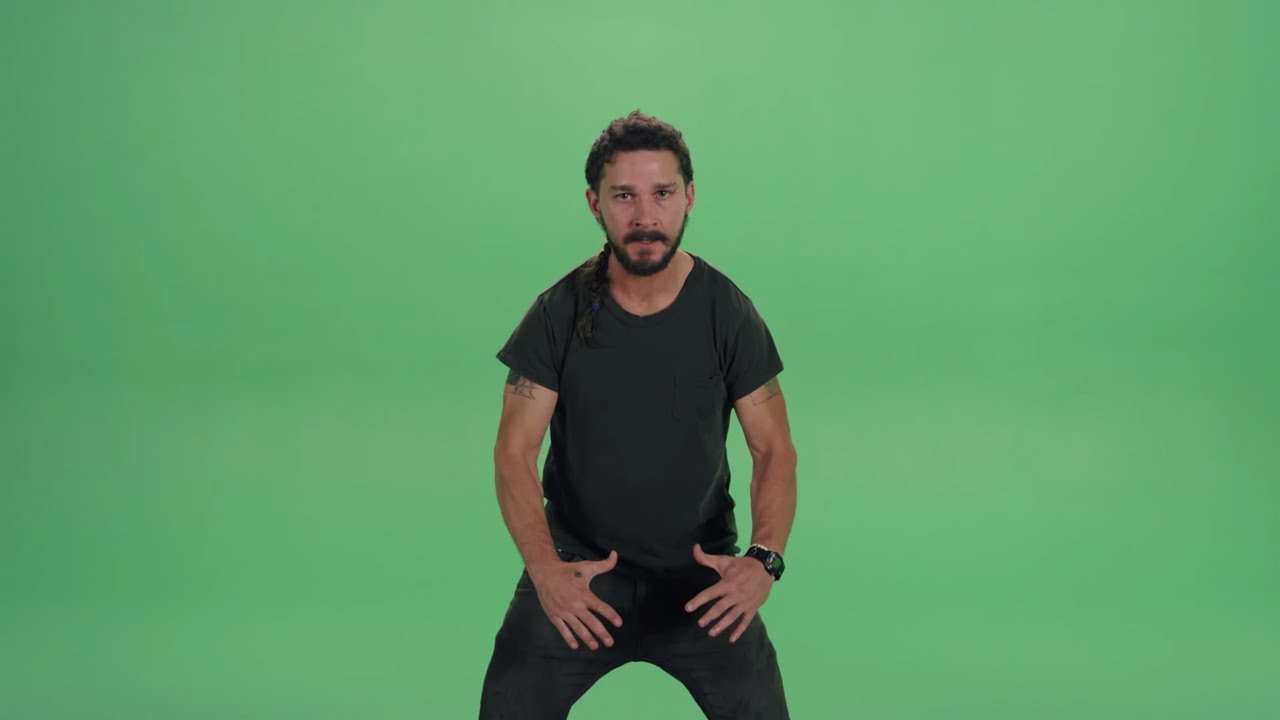
1. You do it
JUST DO IT
The simplest way for some false desires to be sussed out. If you’ve talked about something for years but it never quite materializes, this is actually a distraction. Excuses are no excuse.
2. Once you start doing it, you get into a flow state.
You may not feel motivated to start your thing at first, but once you get going, you feel energized and excited. Ask yourself after an activity: do I feel more alive after engaging with this or more depleted?
3. You get internal, not external validation from doing it.
If you remove deadlines, external praise, comparison, or urgency and the desire is still there, it’s likely real. You should feel happy with your accomplishment even if you’re alone in a room. ‘Wants to want’ often fade or feel pointless the moment nobody is watching.
4. If it’s hard, you grow from the challenge
This isn’t an excuse to not try hard things, but rather examine the gradual result as you go. With something meaningful, you struggle, improve, and the effort starts to generate its own momentum. If something’s not working for you, the difficulty just becomes a test of endurance.
5. You want to keep doing it.
Real wants and their journeys are sustainable. You don’t just want the outcome; you want to keep engaging with the process.
There is some crossover with ‘want to wants’ and real goals. You might love the process and it makes you feel alive, but enjoy the praise you get for it as well. You could also start out doing something because you genuinely want to do it, but as time goes by, you get burned out and your once beloved goal downgrades into a hollow desire for the sake of staying with what you know. The most important thing is not to mistake pressure for purpose.
Sometimes, when the time and circumstances are right, these ‘want to wants’ can come back around in your life and become actual desires. Always check in with yourself and ask, “What would happen if I stopped trying to want this?” If you feel grief at the idea, it’s worth sticking with it. If you feel relief, you can let it go.
The Examined Life
To come back to the Tao te Ching quote at the start of this article, learning is additive. You collect skills, credentials, ambitions, and identities. This is useful and often necessary, but it’s possible to overshoot. You can keep rolling through these seemingly important acquisitions without ever stopping to ask whether the direction you’re headed still belongs to you. That’s how people end up chasing lives that look successful on paper but feel empty from the inside.
The Tao offers a different model. Instead of adding more to your life, it asks to subtract what isn’t essential. Drop false urgency, goals that only exist because they’re admired, and identities donned to be relatable to others. Challenge the innate assumptions you may not even realize you hold, but distort your perception of what matters.
American culture is especially adamant that more is always better. It rewards visible hustle and insists on a certain restlessness that should ideally be monetized. I encourage you to ask yourself why before you push harder. And then maybe why a few more times to get to the root of the matter.
Following the Tao doesn’t mean you stop striving or having ambitions, but instead means you can stop coercing yourself. Each thing you let go makes it easier to hear what remains. And what remains is usually what matters.